
This content was translated using AI.
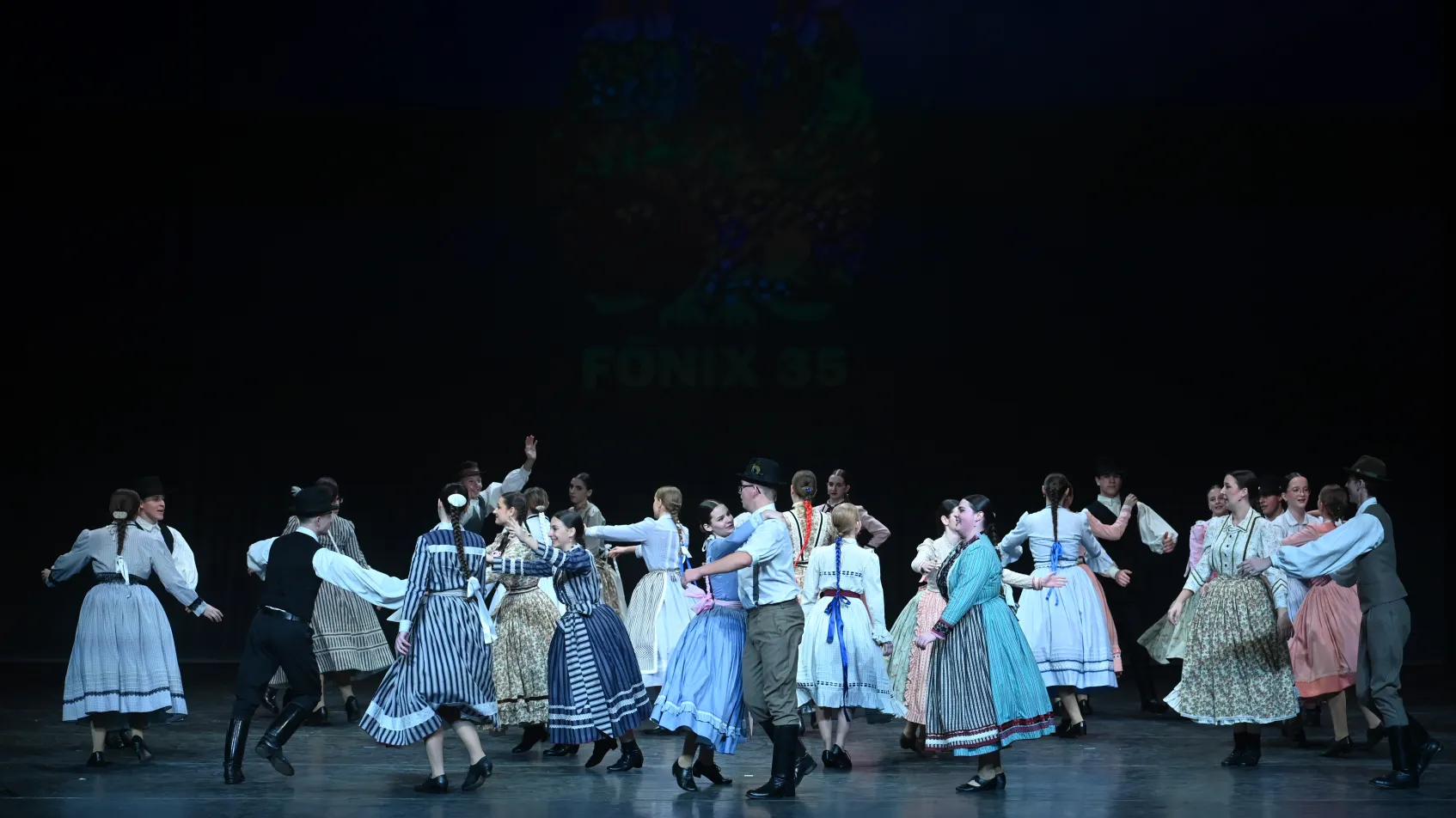
Hungarian folk culture in Normandy – a living friendship for over 30 years
The connection between Főnix Dance Ensemble and the French Archelle Cultural Association dates back to 1994. Through more than three decades of professional and cultural cooperation, mutual hospitality, joint programs, and personal friendships have enabled both sides to come closer to each other's traditions, history, and cultural values.
During these meetings, both Hungarian and Norman traditions are showcased: alongside dance, music, costumes, and gastronomy, there is also an opportunity to learn about the cultural heritage of the host region. Through Főnix's performances, the vitality of Hungarian folk dance, folk songs, and zither music bring the folk culture of the Carpathian Basin to life for French audiences.
This guest performance is given special significance by the memory of the 1956 Hungarian Revolution and War of Independence. This historical event resonated significantly in France, including in Paris. A symbolic monument in section 44 of Père-Lachaise Cemetery preserves the memory of the revolution and Hungarian desire for freedom. The invitation to Főnix Dance Ensemble is also connected to this historical memory, creating an opportunity for Hungarian culture to contribute through artistic means to the commemoration of our shared past.
During the program in France, Főnix Dance Ensemble presents three independent performances, each two hours long: two performances in Fécamp and one in Saint-Saëns. The participants in this guest performance include dancers from Főnix's adult group and Vadrózsák group, musicians from the Berettyó Zither Circle of Esztár, and folk dancers from the Csillagfürt group of Mikepércs.
The week-long program concludes with a Hungarian Day in the Hattenville community where Archelle Association is based. The participants welcome guests and association members with Hungarian dishes and pastries, a dance program, and a joint dance house. This occasion goes beyond the framework of a traditional performance: through shared experiences, personal encounters, and dance, it further strengthens the relationship between the two communities that has been maintained for over thirty years.
Anyone can add events to the Folk Calendar. We try to check the data daily, but we cannot take responsibility for its accuracy.