
This content was translated using AI.
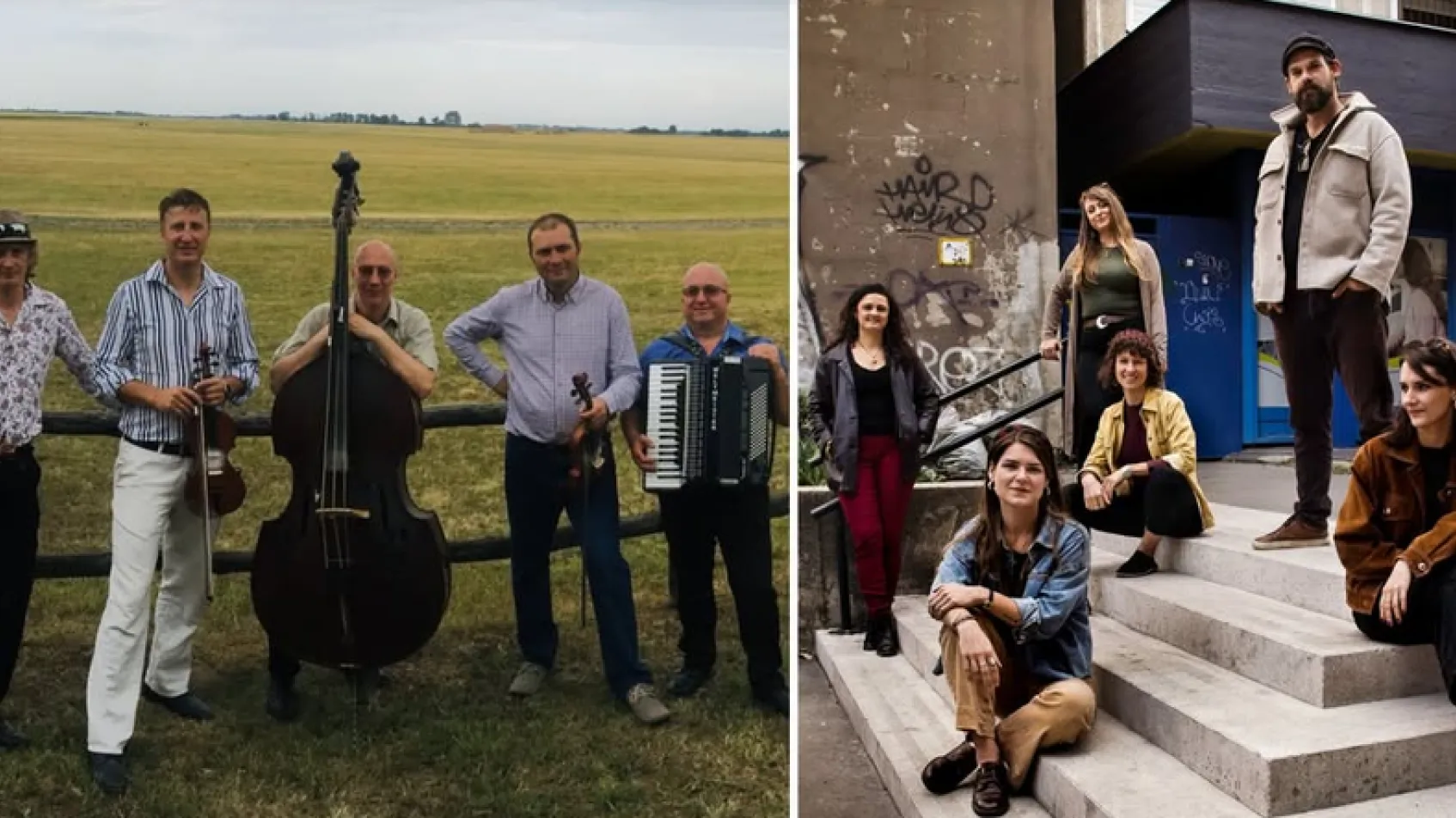
Heveder concert and dance house - guest: Eötvös Rémusz + Tindia dance house
Heveder Banda & Eötvös Rémusz back at the Fonó! The Heveder band is one of the best-known bands in Transylvania. They were formed in Sepsiszentgyörgy in 2002 as the accompanying band of the Háromszék Dance Ensemble. In August 2008 they adopted the name Heveder, and their first full-length album was recorded in 2009. Their repertoire mainly features Transylvanian Hungarian, Romanian and Gypsy melodies.
Eötvös Rémusz is an outstanding representative of the Roma traditions of Örkő, an excellent singer and dancer, and a special prize winner in the 2017 season of the TV folk music competition Fölszállott a páva. The two have already performed on stage together several times, and this time we can meet them at the Fonó. Get ready for a truly sizzling, lively concert!
After the concert, the evening continues until 3 a.m. in two rooms, with two separate dance houses! The Heveder band plays a Transylvanian dance house, while the Tindia band hosts a Moldavian dance house for those who love to dance.
Tindia dance house
The Tindia band started its career in 2015 in a popular Budapest café-bar, where it regularly held Moldavian dance houses and a folk pub. Now eleven years old, the band has evolved a great deal since then. Rooted on the border between folk and world music, its music is brought to life by the intense female energy within the group, by freely expressed humour and by untamed dance house momentum. The band's lineup is a rare phenomenon in the Hungarian folk music scene: five women and one man, which gives their songs a different atmosphere, sensitivity and dynamics than usual. They draw mainly on Moldavian folk music, which they reshape with their own sound world and arrangements. The essence of this is evident on their two full-length albums, as well as on the singles released since then.
One of the most special powers of Moldavian dances lies in the sense of community. Anyone can easily join in, since the simple, repetitive steps require no prior dance experience. Dancing in a circle, with interlocked hands, symbolises unity and belonging: there is no main character here, and everyone is an equal part of the community. Shared movement is thus not only a liberating source of joy, but also a genuine connection to one another and to our traditions.
Ticket price: HUF 2500 in advance, HUF 3000 on the day of the event
Anyone can add events to the Folk Calendar. We try to check the data daily, but we cannot take responsibility for its accuracy.